

Wells Fargo
Internal Banking Platforms
Impact:
Reduced task steps by ~35–45% in core operational workflows
Improved task efficiency, saving several minutes per transaction
Supported 8,700+ branches and call centers through scalable UX improvements
User Experience Lead (Senior IC)
Led hands-on UX design for Salesforce-based internal platforms supporting branch and call center staff across thousands of locations.
My Role & Scope
I worked as a User Experience Lead (Senior IC), contributing hands-on UX and UI design across multiple agile teams. I partnered closely with product managers, engineers, and business stakeholders to design, prototype, and deliver production features used daily by frontline staff.
Key constraints:
Salesforce platform limitations
High-volume, time-critical workflows
Regulatory and compliance requirements
Diverse user roles across branches and call centers
The Problem
Branch and call center staff relied on internal tools to complete complex financial tasks quickly and accurately. However, existing workflows were fragmented, overly complex, and required unnecessary navigation, increasing task time and cognitive load.
The challenge was to simplify critical workflows without sacrificing control or compliance, while working within Salesforce and legacy system constraints.
Key UX Metric
Success for this work was measured by Task efficiency (time and steps required to complete common workflows), Error reduction in high-volume operational tasks, Consistency across teams and user roles
Design decisions focused on reducing steps, improving information hierarchy, and minimizing unnecessary context switching.

Design Decision 1:
Consolidating Fragmented Workflows
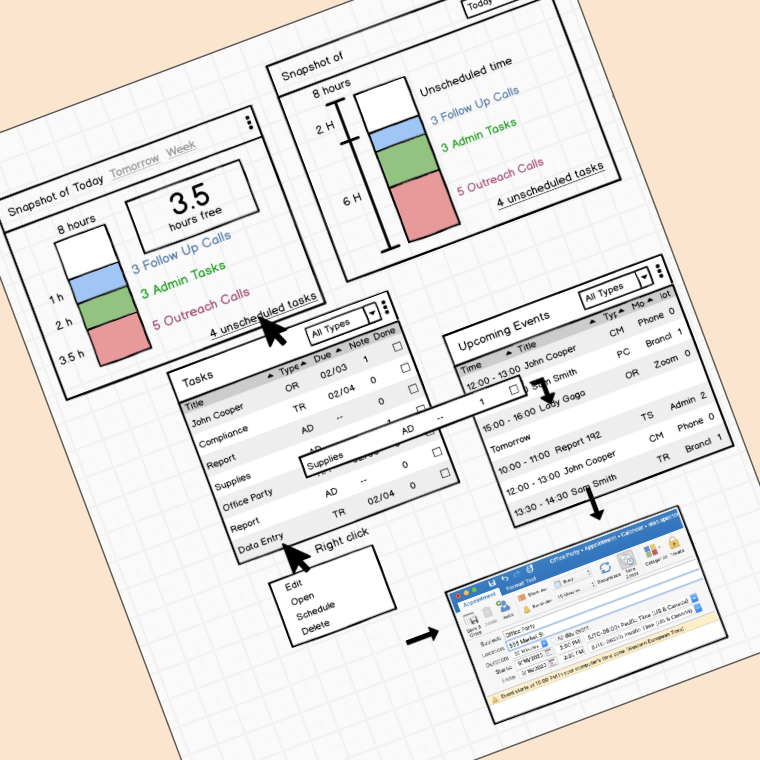
Many core tasks were spread across multiple screens and systems, forcing staff to jump between views and re-enter information.
I consolidated these flows, reducing navigation overhead and eliminating redundant steps.
Design Decision 2
Optimizing for Speed and Accuracy
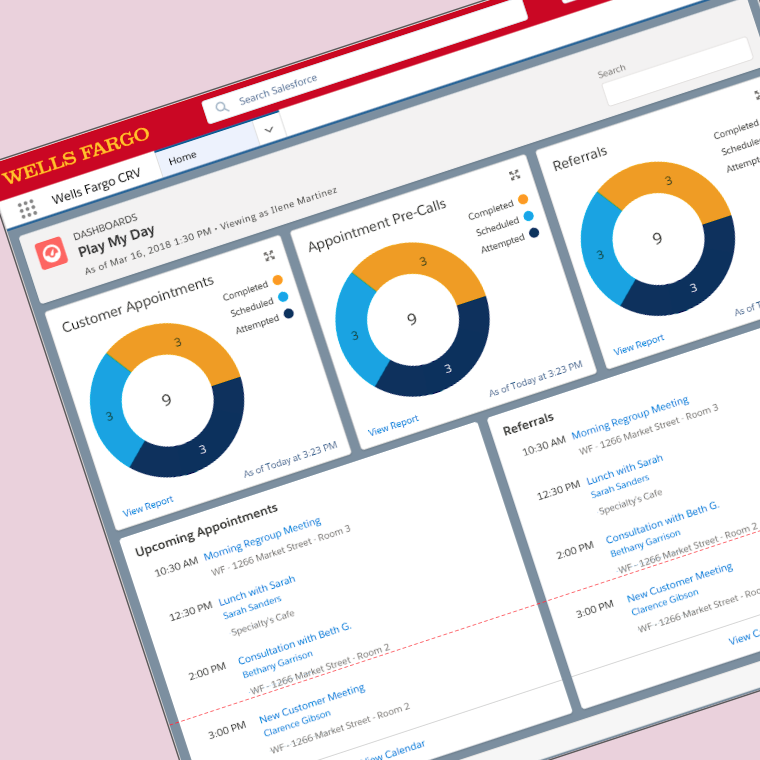
Frontline staff often worked under time pressure while assisting customers. Interfaces that required excessive scanning or interpretation increased the risk of errors.
The UI was redesigned to focus on critical information earlier, group related actions, and reduce visual noise. This helped staff complete transactions more efficiently.
Design Decision 3
Working with Salesforce Constraints
Salesforce imposed structural and interaction constraints that limited layout flexibility. Rather than fighting the platform, I designed reusable patterns that worked within Salesforce’s system, ensuring consistency and predictable behavior. This approach reduced implementation friction and made designs easier to build and maintain across teams.
Outcome
The delivered UX improvements simplified complex internal workflows, reduced task time, and improved usability for frontline staff across branches and call centers.
The work demonstrated how thoughtful UX design can significantly improve efficiency and accuracy in high-volume, regulated enterprise environments — even within platform and legacy constraints.
Measurable outcome was the up to 45% reduction in task steps across high-frequency operations.
45%
Disclaimer
This case study reflects professional work at Wells Fargo. Visuals are simplified and do not include confidential or proprietary information.